Confused by Real Estate Contingencies? Let’s Simplify Them.
Understanding Contingencies in a Florida Real Estate Contract
You’ve listed your Florida home, received an offer, and now it’s time to go under contract. But wait—what are all these contingencies?
If you’ve never sold a home before—or it’s been a while—these little contract clauses can feel confusing. But they play a big role in protecting both buyers and sellers.
Here’s what you need to know about contingencies in Florida real estate contracts—and how to handle them with confidence.
📄 What Are Contingencies?
Contingencies are conditions that must be met before a real estate contract becomes binding or a sale is finalized. They allow buyers (and sometimes sellers) to cancel the deal without penalty if certain terms aren’t satisfied.
Think of them as safety nets.
🔍 1. Inspection Contingency
- Most common contingency in Florida sales
- Allows the buyer to have the home professionally inspected
- If issues are found, the buyer can request repairs, renegotiate, or walk away
- Typically has a set timeframe (often 7–10 days)
💡 Tip: As a seller, be ready to negotiate repair credits or repairs—or push back, depending on the terms.
💵 2. Financing Contingency
- Protects the buyer if they can’t secure a mortgage
- If denied by the lender, the buyer can cancel and get their deposit back
- Timeline is usually 15–30 days, depending on the agreement
This makes it critical to review the buyer’s pre-approval strength before accepting the offer.
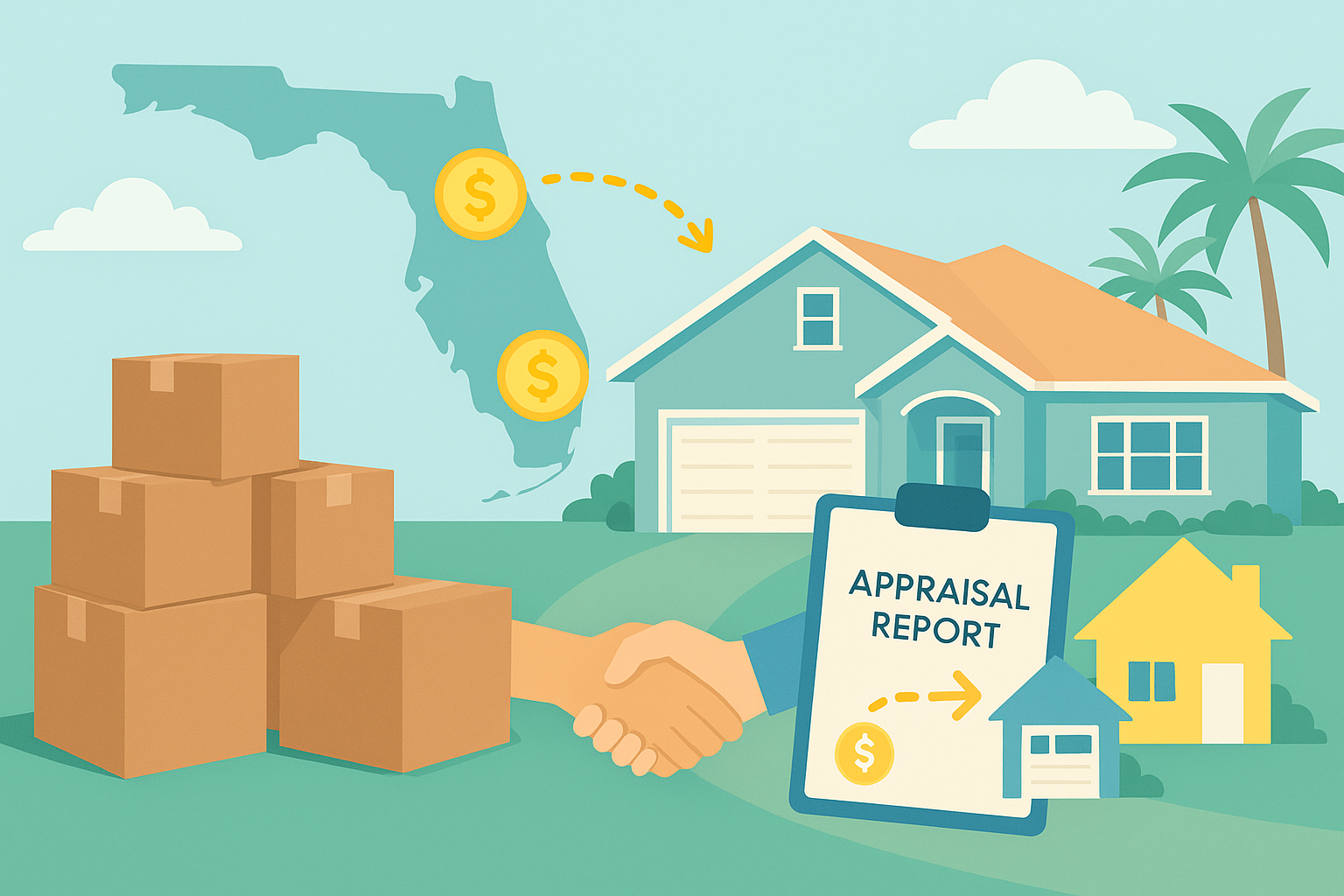
🧾 3. Appraisal Contingency
- Applies if the buyer is getting a loan
- The lender requires the home to appraise at or above the purchase price
- If it comes in low, the buyer can walk—or request a price adjustment
In a hot market, this contingency can lead to reappraisal requests or buyer cash offsets.
🏠 4. Home Sale Contingency
- Buyer must sell their current home before closing on yours
- Not common in strong seller markets
- Adds uncertainty, but may be acceptable with proper timelines and documentation
💡 Pro Tip: Michael helps sellers weigh the risk and structure backup offers.
📦 5. Title & Insurance Contingencies
- Protect the buyer from purchasing a home with legal or title issues
- Also includes the right to cancel if adequate homeowners insurance isn’t obtainable (especially in Florida due to hurricanes)
These are usually resolved behind the scenes by your title company—but it’s good to stay informed.
✍️ Can You Negotiate Contingencies?
Yes—and you should.
- Accept them as written
- Request shorter timelines
- Remove certain contingencies (e.g., no home sale clause)
- Ask for stronger buyer documentation
The fewer contingencies, the stronger the offer—but you also want to balance risk fairly.
✅ Final Thoughts
Contingencies aren’t bad—they’re just part of the deal-making process. When managed well, they help keep your Florida home sale fair, smooth, and legally sound.
Michael Renick helps you understand, negotiate, and work through each step so you can sell with confidence—not confusion.
🔗 Related Reading
If you’re exploring smart strategies, you might also like: What Are Seller Concessions and Should You Offer Them?
📣 Let’s Talk Strategy
Want a clear breakdown of your numbers and a smarter way to sell? Let’s connect.
- 📞 Call Mike: 941.400.8735
- 📍 Explore our blog series: The Florida Life
- 🌐 Learn how we operate and why it matters: TeamRenick.com
- 🔎 Start your property search: Search.TeamRenick.com