Everything You Need to Know About Florida Real Estate Seller Disclosures
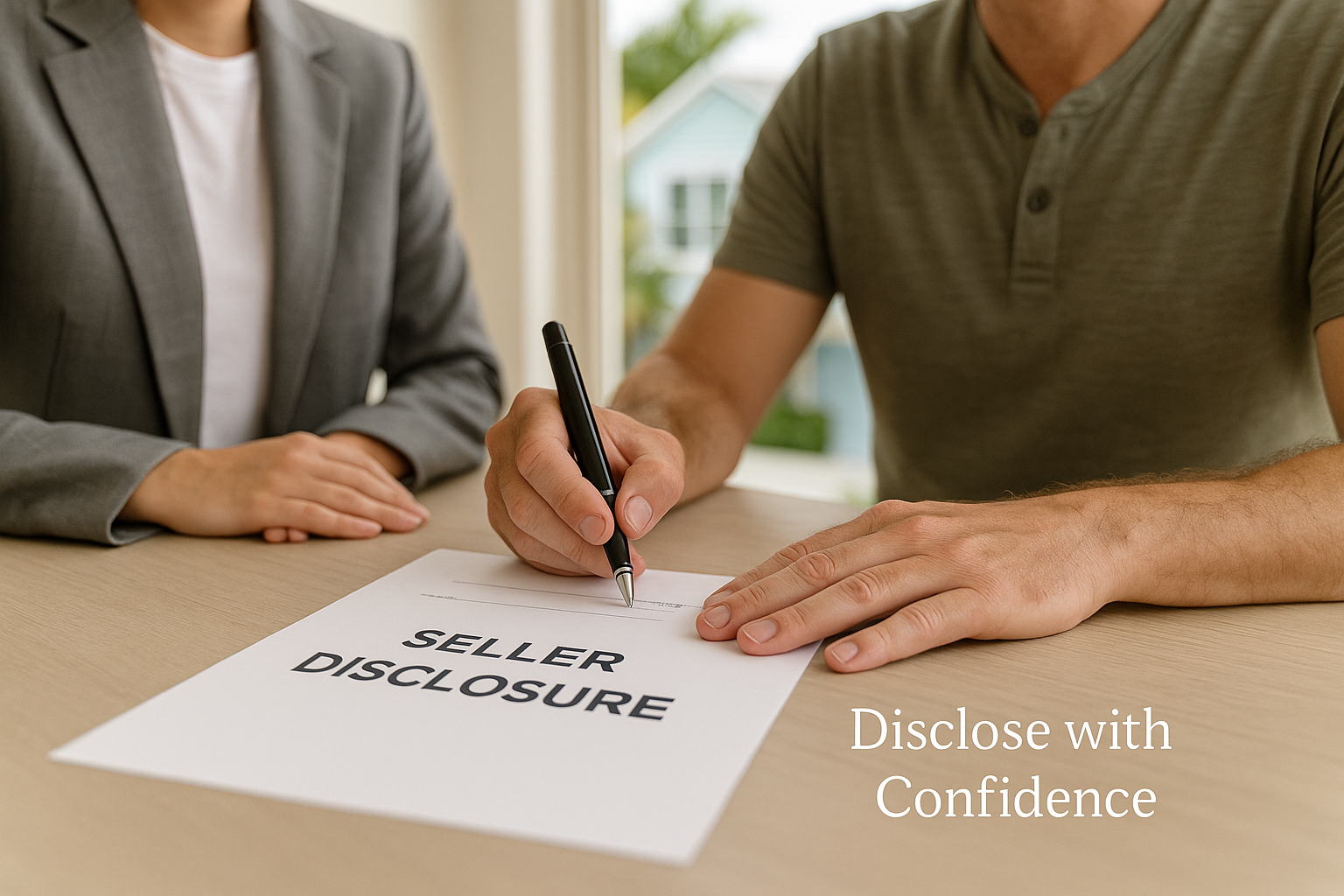
Florida sellers are required to disclose known issues that could materially affect a home’s value or safety. This isn’t just about legal compliance—it’s about building trust and avoiding costly lawsuits. A seller disclosure is a legal document outlining any known defects or issues with the property. It protects both the buyer and the seller by clarifying what is (and isn’t) known before closing. If you knowingly conceal an issue, you could face legal consequences—even after the sale. Florida law requires that sellers disclose facts that materially affect the property’s value and are not readily observable. While Florida doesn’t require a specific disclosure form, most Realtors use a standardized one provided by the Florida Association of Realtors. Be thorough, honest, and transparent. If you’re unsure about an issue—disclose it. Disclosures aren’t about scaring buyers away—they’re about helping the right buyer feel confident. Done right, they protect your transaction and your reputation. Want a clear breakdown of your numbers and a smarter way to sell? Let’s connect.
Everything You Need to Know About Florida Real Estate Seller Disclosures
📋 What Is a Seller Disclosure?
🔍 What Must You Disclose in Florida?
⚠️ What If You Don’t Disclose?
📝 How to Complete the Disclosure Form
💡 Pro Tip from Mike
Disclosing upfront can actually help your sale. It builds trust and keeps deals from falling apart during inspection.
📈 Final Thoughts
📣 Let’s Talk Strategy
👉 Also posted today: Pros and Cons of Selling a Home As-Is in Florida