Florida Earnest Money Deposits: How They Work and What’s at Risk
Florida Earnest Money Deposits: How They Work and What’s at Risk
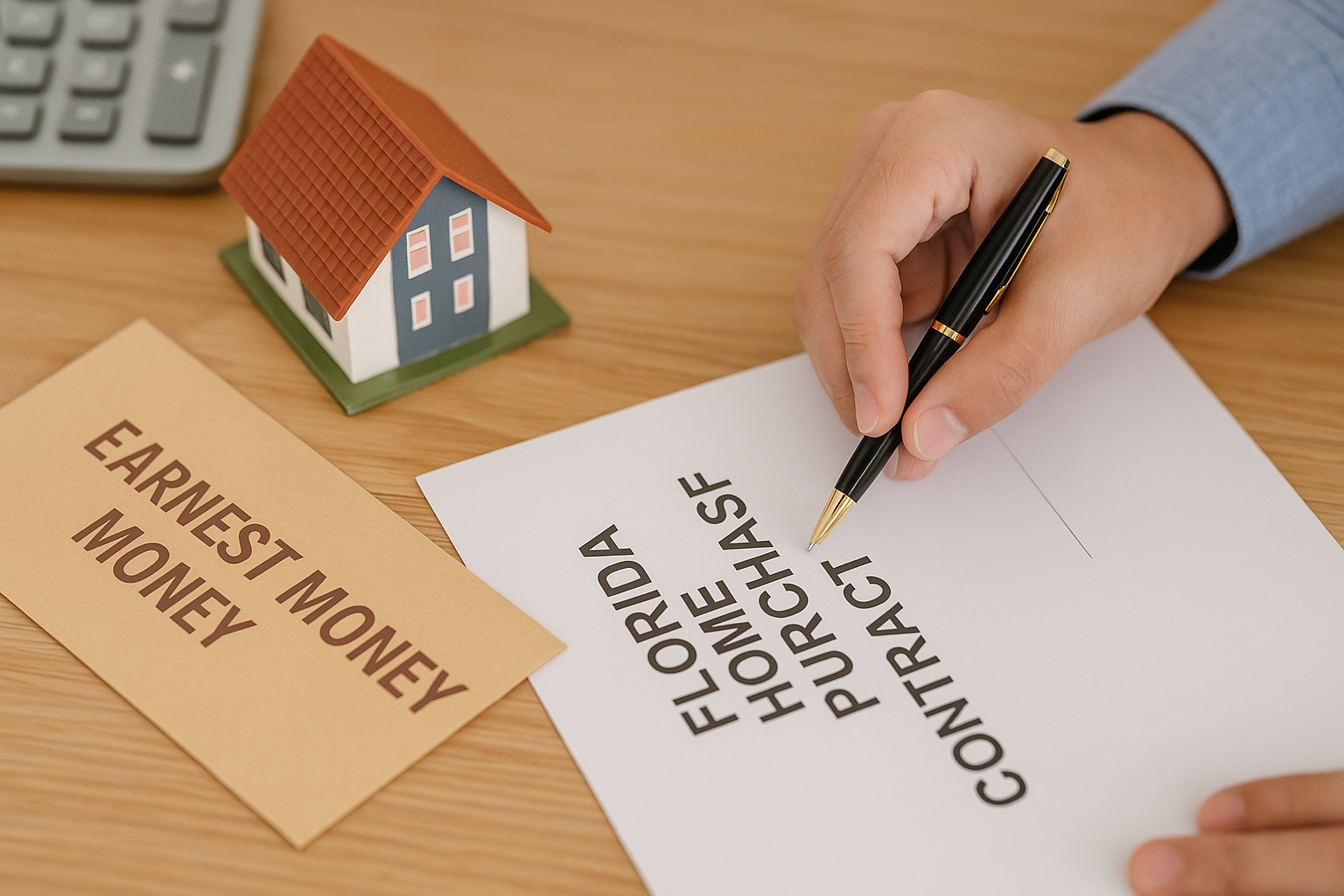
An earnest money deposit shows you’re serious about buying a Florida home.
But what happens if the deal falls through?
Here’s what Florida buyers should know about deposits, deadlines, and how to protect their money.
What Is Earnest Money?
It’s a good faith deposit made when your offer is accepted. It shows the seller you intend to follow through.
The deposit is held in escrow and applied toward closing.
How Much Should You Put Down?
In Florida, earnest money typically equals:
- 1% to 3% of the purchase price
Example: On a $400,000 home, you might deposit $4,000 to $12,000.
The exact amount depends on local norms and your offer strategy.
When Is It Due?
Most contracts require the deposit within 3 business days of the offer being accepted.
It’s usually paid by:
- Wire transfer
- Personal check
- Cashier’s check (to title company or broker)
What Can Make You Lose It?
You risk losing your deposit if you:
- Miss inspection or financing deadlines
- Fail to close without cause
- Walk away outside of contingency periods
That’s why contingencies matter.
Contingencies That Protect You
Make sure your Florida contract includes:
- Inspection contingency: Walk away if major issues arise
- Financing contingency: Full refund if your loan falls through
- Appraisal contingency: Required if value doesn’t match price
Each has a deadline—don’t miss them.
Where Is the Money Held?
The deposit is placed with a third-party escrow holder, often:
- Title company
- Real estate brokerage
- Attorney’s trust account
You’ll receive a receipt and written verification.
What If There’s a Dispute?
Florida law requires written release from both parties to return the deposit.
If you and the seller can’t agree, the funds stay in escrow until:
- One party gives up claim
- Mediation or arbitration resolves it
- A court orders distribution
Final Thought
Your deposit is part of your down payment—but it’s at risk if you don’t follow the contract.
📞 Call Michael Renick at 941.400.8735 before submitting earnest money. Get guidance to protect your deposit and move forward confidently in your Florida home purchase.
What Does It Mean to Purchase a Florida Home As-Is
📣 Let’s Talk Strategy
Want a clear breakdown of your numbers and a smarter way to sell? Let’s connect.
- 📞 Call Mike: 941.400.8735
- 📍 Explore our blog series: Questions Buyers Are Asking
- 🌐 Learn how we operate and why it matters: TeamRenick.com
- 🔎 Start your property search: Search.TeamRenick.com