Important Florida Real Estate Laws Every Seller Should Know
Important Florida Real Estate Laws Every Seller Should Know
Selling your Florida home is more than just pricing and staging—it’s a legal transaction governed by state laws and regulations. Understanding the legal side of real estate helps you avoid delays, protect your investment, and reduce the risk of disputes.
Here are the most important laws and rules every Florida home seller should know before listing.
1. Florida’s Disclosure Law
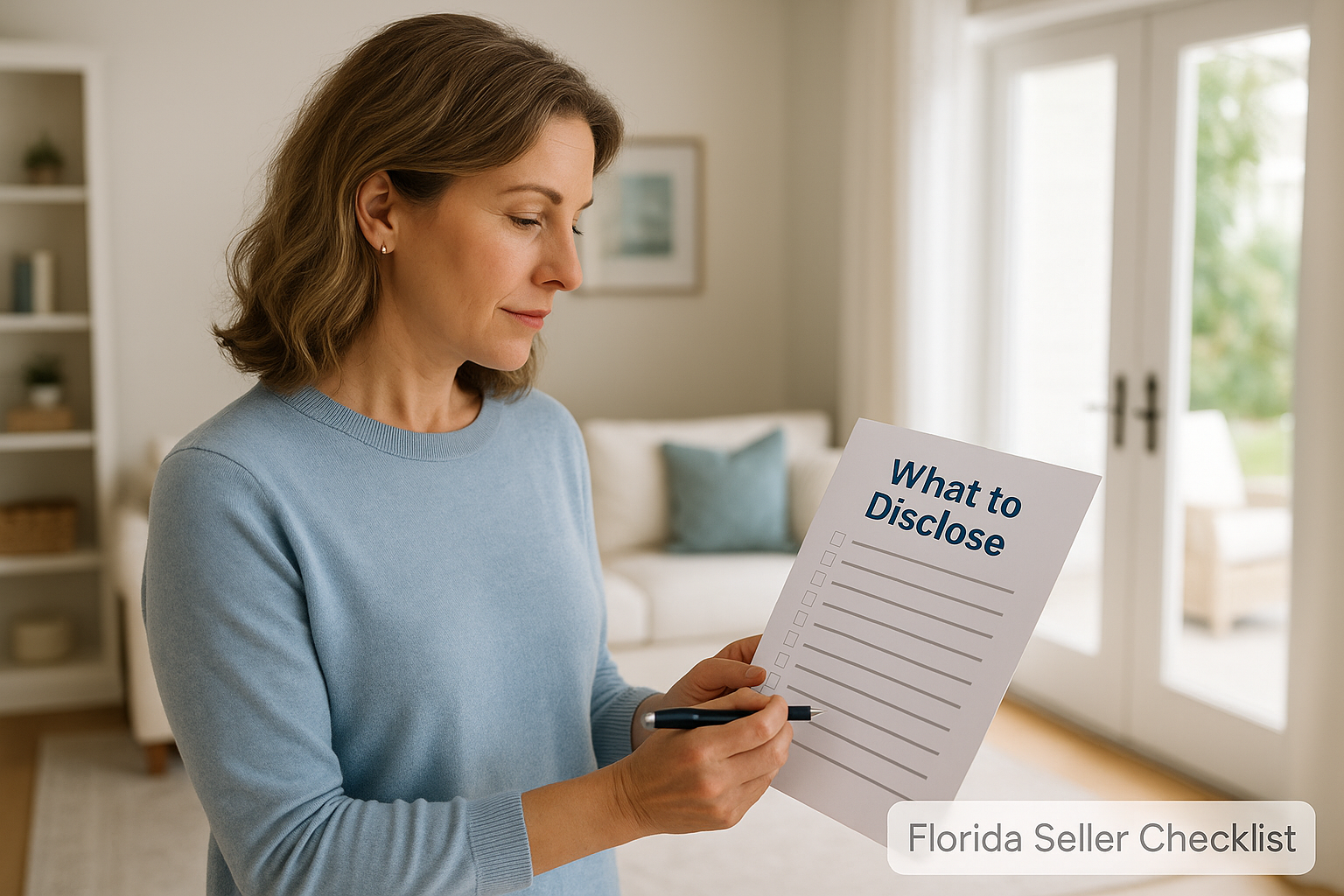
Florida law requires sellers to disclose known material defects that could affect the value or safety of the home. This includes structural damage, leaks, mold, pest infestations, and more.
2. Fair Housing & Anti-Discrimination Laws
Federal and Florida law prohibit discrimination based on:
- ✓ Race
- ✓ Color
- ✓ Religion
- ✓ National origin
- ✓ Sex
- ✓ Disability
- ✓ Familial status
Be cautious in how you market, communicate, and choose offers. Avoid making comments or decisions that could appear biased or exclusionary.
3. Contractual Obligations
Once you accept an offer and sign the contract, you are legally bound to its terms. That includes:
- Meeting inspection and repair timelines
- Cooperating with buyer’s lender, title company, or appraiser
- Closing on or before the contract date (unless amended in writing)
Attempting to cancel without legal cause can result in penalties or lawsuits.
4. HOA and Condo Regulations
If you live in an HOA or condo community, Florida law requires:
- Delivery of community documents (rules, budget, etc.) to the buyer
- Disclosure of estoppel fees and pending violations
Failure to provide this documentation can delay or derail the closing.
5. Title Transfer and Doc Stamps
Florida sellers are responsible for paying the documentary stamp tax on the deed—$0.70 per $100 (or $0.60 in Miami-Dade). You must also ensure a clean title transfer with no outstanding liens.
6. NAR Code of Ethics (If Listed with a REALTOR®)
If you’re working with a licensed REALTOR®, your agent must follow the NAR Code of Ethics, which includes:
- Full disclosure of known facts
- Honesty and transparency in marketing
- Clear communication of offers and contract terms
This code helps ensure a smooth, fair transaction for all parties.
7. RESPA Compliance
Under the Real Estate Settlement Procedures Act (RESPA), agents and sellers must avoid illegal kickbacks or referral fees and ensure all closing costs are transparently disclosed. RESPA helps protect both buyers and sellers from hidden costs and unethical practices.
Stay Protected With the Right Partner
Real estate law doesn’t have to be overwhelming—but it must be respected. Michael Renick and Team Renick – Mangrove Realty Associates Inc. make sure every client understands their legal responsibilities from start to finish.
Have legal questions about selling your Florida home? Call Michael Renick today at 941.400.8735 for expert guidance every step of the way.
Avoid These Costly Mistakes When Selling Your Home
📣 Let’s Talk Strategy
Want a clear breakdown of your numbers and a smarter way to sell? Let’s connect.
- 📞 Call Mike: 941.400.8735
- 📍 Explore our blog series: The Florida Life
- 🌐 Learn how we operate and why it matters: TeamRenick.com
- 🔎 Start your property search: Search.TeamRenick.com