Navigating Sarasota’s Flood Zones for Buyers
Navigating Sarasota‘s Flood Zones for Buyers
How do I navigate flood zones when buying a home in Sarasota?
Purchasing a property in Sarasota, Florida, is both an exciting and intricate journey. Known for its picturesque beaches and vibrant cultural scene, Sarasota is a prime location for many homebuyers. However, the area’s susceptibility to flooding presents unique challenges. Whether you’re a first-time buyer or a seasoned investor, understanding how flood zones impact both property selection and long-term investment is crucial. I’m Michael Renick from Team Renick, and I’m here to guide you through the nuances of buying a home in Sarasota‘s flood zones. In this post, we’ll explore critical aspects of flood zone real estate, provide local market insights, and discuss strategies to make informed and confident decisions.
Buying property in a flood zone requires a keen understanding of the associated risks and benefits. Sarasota, with its beautiful coastlines and waterways, often sees properties within these zones. In the beginning, it’s essential to know that not all flood zones are equal in terms of risk and insurance requirements. This is where our expertise at Team Renick comes in, helping you discern these differences and how they impact your buying decision. We’ll delve deeper into the types of flood zones, how to assess flood risks, and practical tips for purchasing homes in these areas.
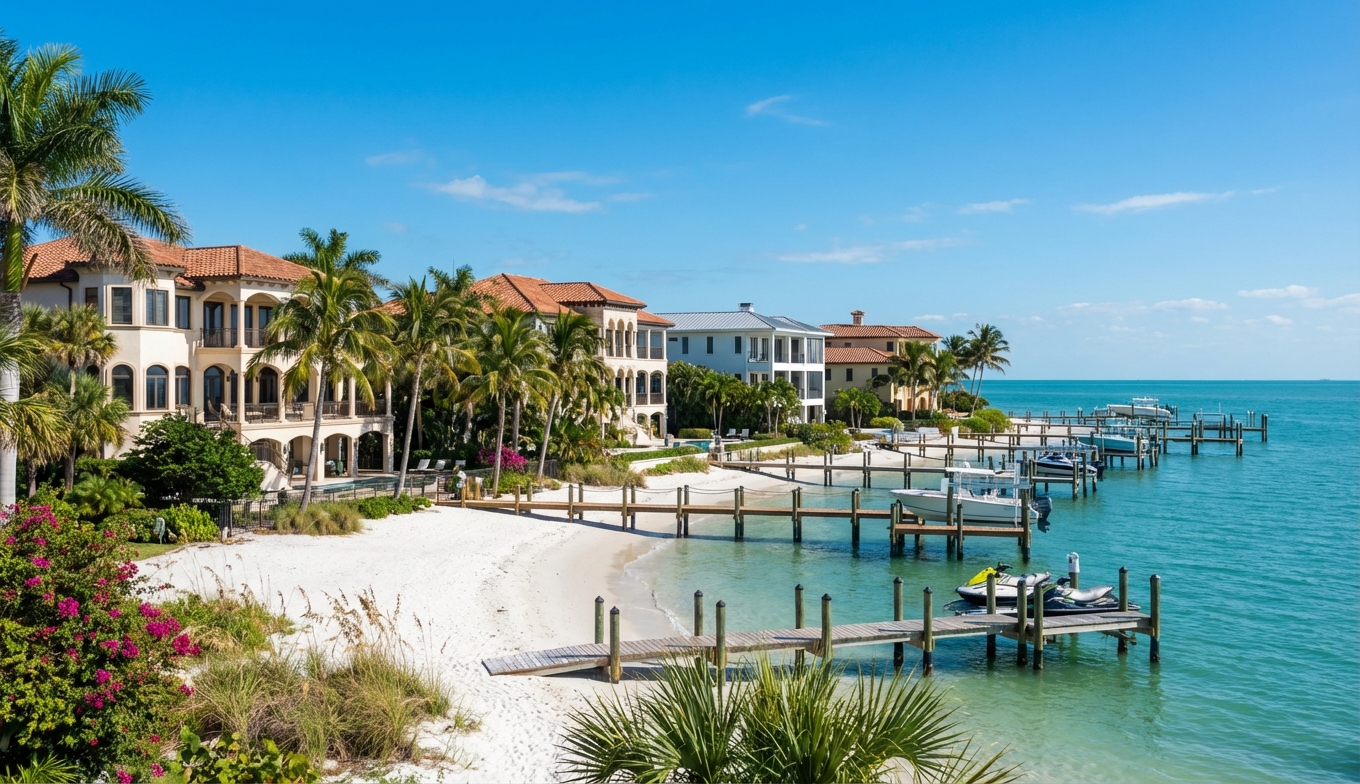
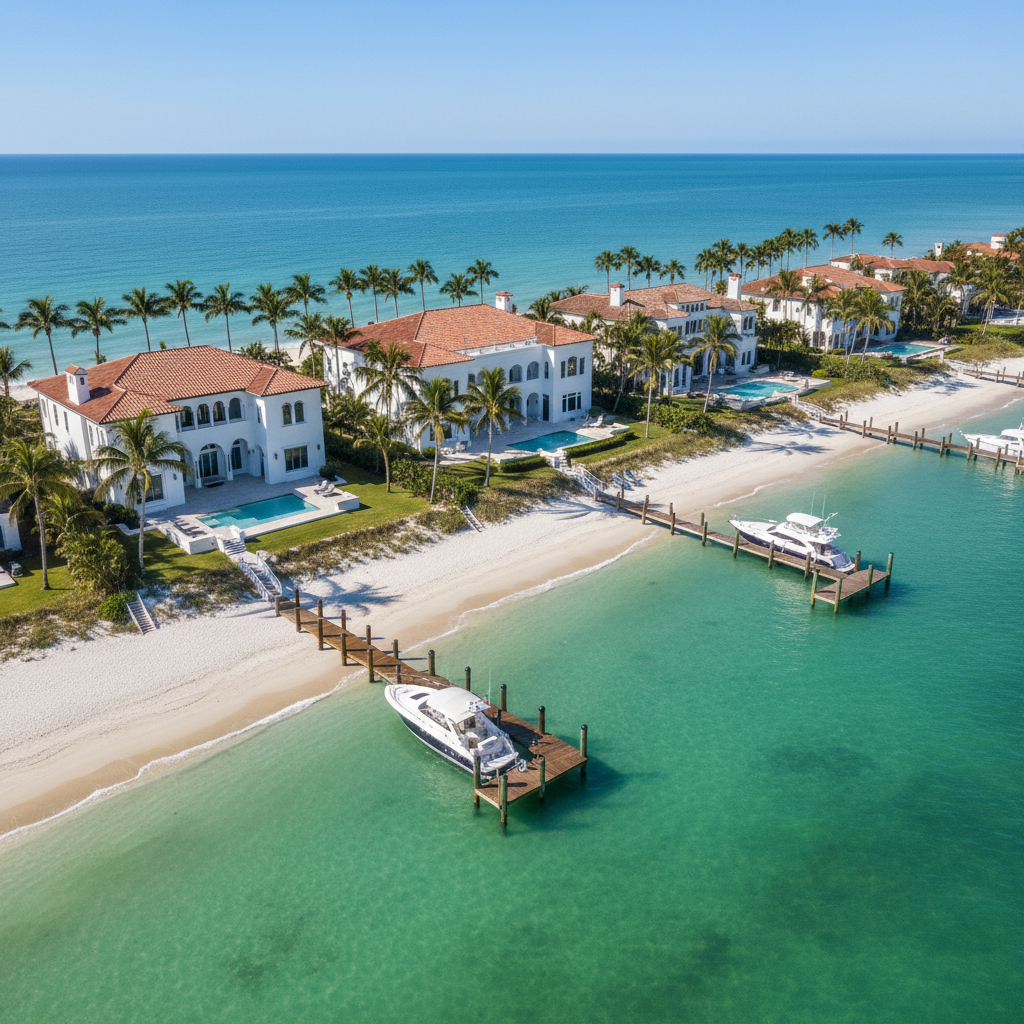
The first step in navigating Sarasota‘s flood zones is understanding the specific classification of flood zones. FEMA identifies various flood zones, each representing different risk levels. For example, Zones A and V are high-risk areas subject to mandatory flood insurance, while Zones X and C are considered low-risk. Homebuyers must be aware of these distinctions as they directly affect property insurance rates and long-term expenses. In Sarasota, flood zones are common in coastal neighborhoods such as Siesta Key and Longboat Key, where proximity to the water is a significant draw for buyers. It’s vital to weigh the value of living close to the water against potential flood risks.
In Part 1, we touched on the different flood zones, but now, let’s consider how this knowledge translates into actionable steps for buyers. For instance, inspecting a property with flood resilience in mind is crucial. This entails reviewing the property’s elevation certificate, which provides critical details about its base flood elevation compared to the flood zone’s threshold. Homes with higher elevations typically see reduced flood insurance premiums. In some Sarasota areas, homes built with elevated structures or equipped with flood-proofing measures often command higher market prices due to this added security.
Now, let’s integrate some market data into our discussion. According to the latest Market Snapshot from the Sarasota Association of Realtors, the average price for homes in flood-prone areas has remained stable, despite potential climate-related threats. However, homes with superior flood protection measures have seen a slight uptick in demand, highlighting the value of investing in resilient properties. If you’re unsure about current property statistics or seeking specific data, contact Michael Renick and Team Renick for precise information.
Zooming into the local market, Sarasota and nearby Manatee County offer diverse opportunities for homebuyers looking to invest in flood-prone areas. Neighborhoods such as Bird Key and St. Armands Circle are prime examples where waterfront living is both a luxury and a responsibility. In Bird Key, for instance, the average home price presently hovers around $1.2 million, largely influenced by its scenic views and proximity to downtown Sarasota. Buyers here are often willing to pay a premium for properties with superior flood defenses, showcasing a trend toward valuing safety alongside beauty.
A comprehensive buyer‘s guide is essential for those navigating Sarasota‘s flood zones. Understanding financing strategies is equally important, especially given the mortgage requirements for homes in high-risk areas. Currently, mortgage rates remain favorable, yet lenders typically require flood insurance for properties in Zones A and V. Team Renick‘s expertise lies in connecting buyers with financial advisors who specialize in flood zone properties. Moreover, first-time buyer programs might be available to help alleviate the costs associated with flood insurance, making your dream home more attainable.
For sellers in Sarasota‘s flood zones, understanding how flood risks influence property value and marketability is paramount. In high-risk areas, pricing your home accurately hinges on current market conditions and comparable sales of similar properties with and without flood mitigation features. Effective marketing strategies emphasize the property’s resilience against flooding, highlighting features like storm shutters, elevated living areas, and drainage systems. Timing is also strategic; listing your property during drier months may result in a quicker sale, as potential buyers are less likely to be deterred by recent flooding events.
Investing in Sarasota’s flood zones offers unique opportunities for discerning buyers. The potential for a solid return on investment (ROI) is substantial, especially in neighborhoods where market trends favor resilient and well-protected properties. With the ongoing development of flood defenses and infrastructure improvements, areas currently deemed high-risk might experience a gradual decline in danger levels, thereby enhancing property values. Investors should focus on properties with existing flood protections or those ripe for such upgrades, as increasing the property’s resilience can directly correlate to its appreciation over time.
Looking to the future, Sarasota’s real estate market in flood zones poses both challenges and opportunities. As climate change affects coastal areas worldwide, cities like Sarasota are investing in mitigation measures to safeguard their communities. Anticipated trends include stricter building regulations and enhanced flood defenses, which might increase upfront costs for new developments but ultimately lead to more stable real estate values. Staying abreast of these changes is critical, and Team Renick prides itself on continually updating our clients about these developments to aid in informed decision-making.
To successfully navigate the process of buying in Sarasota‘s flood zones, a well-organized checklist is indispensable. Start by consulting with Team Renick to identify potential properties and assess their flood risk levels. Schedule inspections focusing on flood resilience and obtain an elevation certificate. Next, explore insurance options, comparing policies and premiums to find the best coverage for your needs. Secure pre-approval for a mortgage that accounts for any additional insurance costs, and finally, prepare for closing while remaining vigilant about any last-minute changes in flood zone regulations.
In conclusion, buying a home in Sarasota‘s flood zones need not be daunting when armed with the right knowledge and support. Our team, led by Michael Renick, is committed to guiding you through every step of this intricate process. From assessing flood risks to understanding market conditions, we provide the insights and expertise necessary to make your home-buying journey smooth and successful. If you’re ready to explore the unique opportunities Sarasota has to offer, contact Team Renick today and let’s turn your real estate dreams into reality.
To learn more about Michael and Team Renick:
To search for local properties:
https://search.teamrenick.com/
To read more about what Michael shares with his clients: