Selling Your Home? Let’s Talk Capital Gains Tax
Understanding Capital Gains Tax When Selling a Florida Home
One of the most common questions I get from sellers is:
“Will I owe capital gains tax when I sell my home?”
The good news? Many Florida homeowners won’t owe a dime—thanks to the IRS’s capital gains exclusion.
But there are rules and thresholds you need to understand. Let’s break it down so you know what to expect.
💡 What Is Capital Gains Tax?
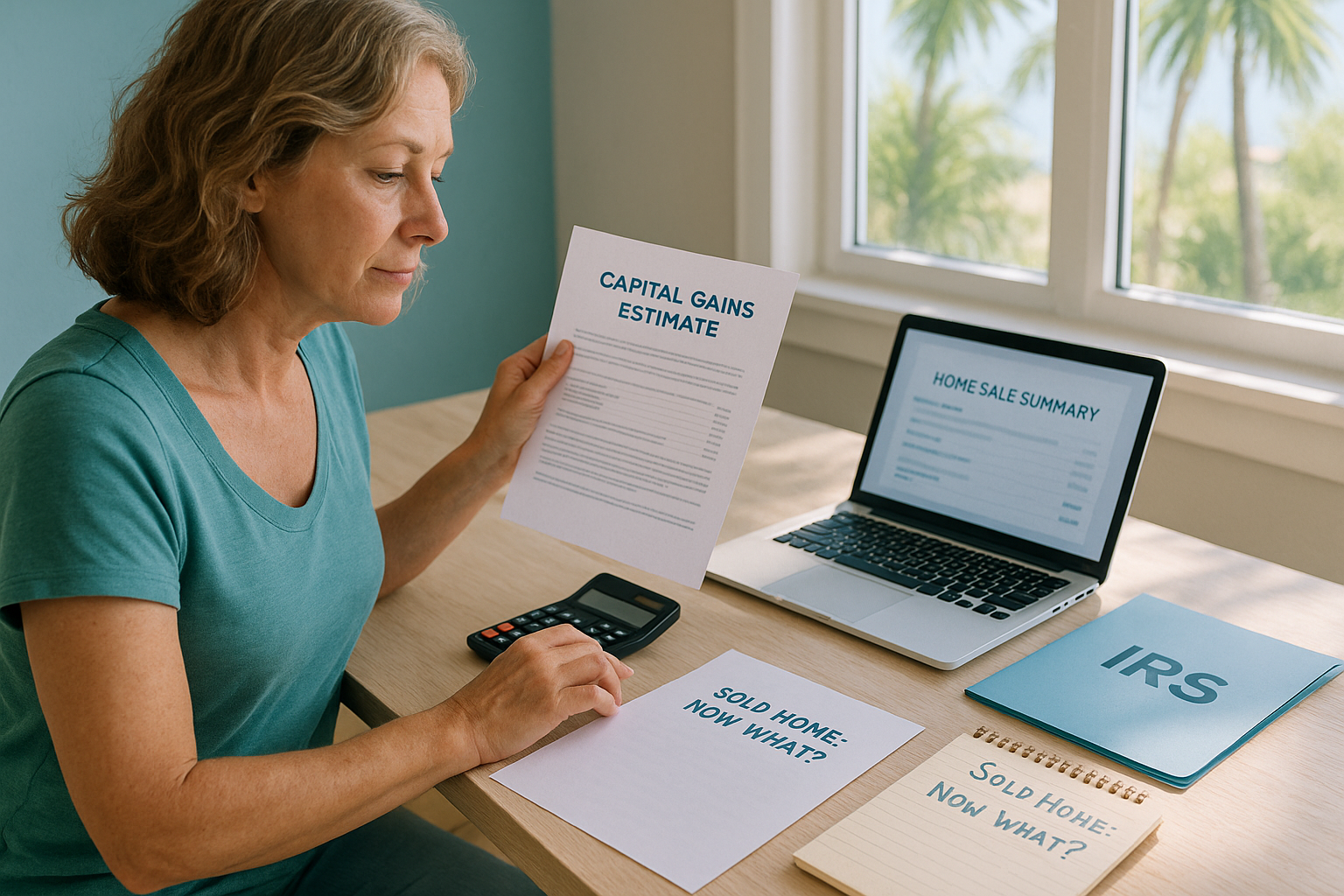
When you sell an asset—like a house—for more than you paid for it, the profit is called a capital gain. The IRS may tax that gain when you sell the property.
The key word is may.
🏠 The Home Sale Exclusion Rule
Under current IRS guidelines (as of 2025), you can exclude up to:
- $250,000 of profit (gain) if you’re single
- $500,000 if you’re married and filing jointly
This means many sellers in Florida can avoid paying tax on their gains entirely.
✅ Do You Qualify for the Exclusion?
To be eligible, you must meet both the:
- Ownership Test: You owned the home for at least 2 of the last 5 years, and
- Use Test: You lived in the home as your primary residence for at least 2 of the last 5 years
These years don’t need to be consecutive—but they must add up to 24 months in that 5-year window.
🧮 How Is Gain Calculated?
Your capital gain = Sale Price – Purchase Price – Eligible Selling Expenses – Cost of Improvements
Here’s what counts as deductions:
- Real estate agent commissions
- Title fees and closing costs
- Major home improvements (new roof, kitchen remodel, etc.)
💡 Tip: Keep receipts and closing disclosures from your purchase and sale—you’ll need them for documentation.
🏖️ Florida’s Unique Advantage: No State Income Tax
Florida does not have a state income tax, which means your capital gains exposure (if any) is federal only.
That’s a huge advantage over sellers in many other states.
⚠️ When You Might Owe Capital Gains Tax
You might owe tax if:
- You exceed the $250K/$500K exemption
- You haven’t lived in the home long enough
- You’re selling an investment property (not a primary residence)
- You’ve used the exclusion within the last 2 years for a different home
- You inherited the property with a lower cost basis
This is where your accountant can help confirm what applies in your case.
📉 Special Circumstances and Partial Exclusions
The IRS may allow a partial exclusion if you had to sell due to:
- Job relocation
- Health reasons
- Unforeseen circumstances (e.g., divorce, military service, etc.)
Again—document everything and consult your tax professional.
📝 Final Thoughts
Capital gains tax may sound intimidating, but most Florida home sellers either qualify for the exemption or can minimize their exposure with smart planning.
Just remember: Michael Renick is here to guide you through the process—but always consult a qualified accountant or tax advisor to get advice specific to your financial situation.
🔗 Related Post
Also Read: What to Know About Selling a Home with a Mortgage in Florida
📣 Let’s Talk Strategy
Want a clear breakdown of your numbers and a smarter way to sell? Let’s connect.
- 📞 Call Mike: 941.400.8735
- 📍 Explore our blog series: The Florida Life
- 🌐 Learn how we operate and why it matters: TeamRenick.com
- 🔎 Start your property search: Search.TeamRenick.com