Should You Waive the Home Inspection in Florida?
Quick Answer: Waiving a home inspection on a Florida purchase is legal — but it is rarely a smart move. Florida’s climate creates unique risks: roof damage, moisture intrusion, mold, and post-hurricane hidden damage are common and expensive. Buyers who waive the inspection give up their right to cancel based on condition and accept the property exactly as it is. In most situations, shortening the inspection window is a better competitive strategy than eliminating it entirely. For detailed information, please call Michael Renick.
What Does Waiving a Home Inspection Actually Mean?
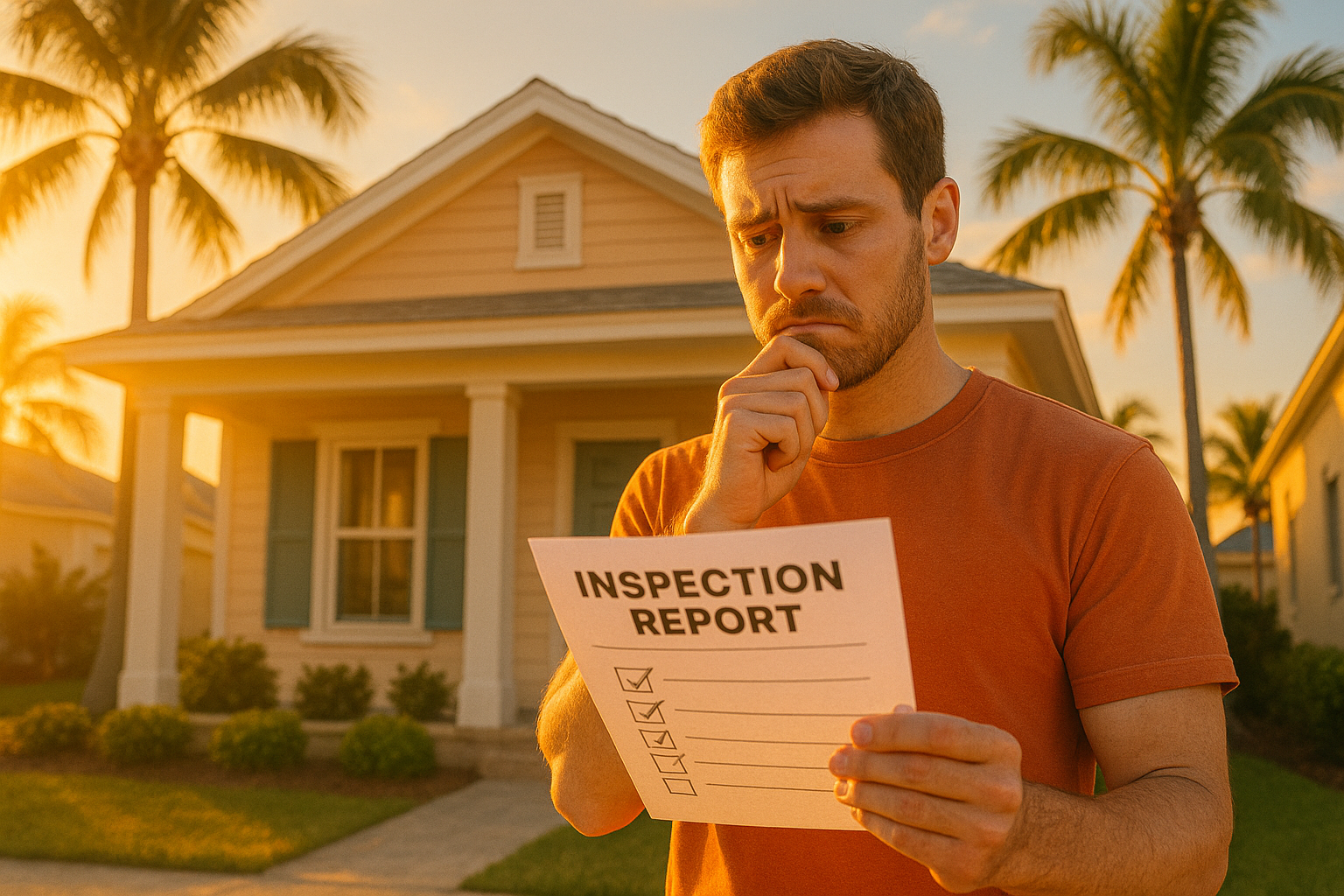
When a buyer waives the home inspection contingency, they agree to purchase the property without having it professionally evaluated — and without the right to cancel based on what that evaluation might reveal. Under Florida’s AS IS contract, the inspection period gives buyers a window (typically 10–15 days) to investigate the property and back out for any reason. Waiving that period removes that exit entirely.
This is different from buying a home that has already been inspected. Some buyers attempt a pre-inspection (with seller permission before making an offer) and then submit a clean offer with no contingency. That approach carries its own risks, but it is less dangerous than going in completely blind.
Why Florida’s Climate Makes Inspections More Critical
Florida homes face environmental stresses that most other states do not. Hurricane-force winds, intense seasonal rain, high humidity, and proximity to saltwater create conditions where problems develop quickly and stay hidden until they become expensive.
Common issues that inspections catch in Florida:
- Roof damage and age: Insurance companies frequently require roofs to be under a certain age. A roof nearing the end of its life can cost $20,000–$50,000+ to replace.
- Moisture and mold: Water intrusion through windows, doors, or roofing is common. Mold can develop behind walls with no visible signs until an inspector uses a moisture meter.
- Electrical hazards: Older Florida homes may have Federal Pacific panels, aluminum wiring, or outdated systems that are expensive to bring up to current code.
- Plumbing issues: Cast iron drain lines in older homes corrode and fail. Polybutylene pipes — common in 1980s construction — are prone to leaking.
- Foundation and slab cracks: Florida’s sandy soil and subsidence risk mean foundation movement is more common than buyers expect.
- Sinkhole activity: While rare, sinkholes are a Florida-specific risk that a thorough inspection may flag through visible signs.
What You Lose When You Waive the Inspection
Beyond the obvious risk of buying a property with hidden defects, waiving the inspection contingency has several legal and financial consequences:
- No exit strategy: If serious issues surface after closing, you own the problem. There is no recourse against the seller for conditions that were discoverable.
- Earnest money at risk: If you try to cancel after the inspection window has closed (or was never opened), you will likely lose your deposit.
- Insurance complications: Some insurers will not bind coverage on a home with known defects. If you discover a roof problem after closing, you may face a gap in coverage.
- Negotiating leverage gone: The inspection report is often the basis for price reductions or repair credits. Without it, you have no leverage.
Smart Alternatives to Waiving the Inspection
If you are competing against multiple offers and want to make your offer stand out, there are better strategies than waiving the inspection outright:
Shorten the Inspection Window
Reducing the inspection period from 15 days to 7 or even 5 days signals urgency and commitment while preserving your right to cancel. Most experienced inspectors can schedule within 48 hours.
Agree Not to Request Cosmetic Repairs
You can include language in the contract stating you will not ask for repairs under a certain dollar threshold (e.g., no requests under $1,500). This reassures sellers while still protecting you from major structural or mechanical failures.
Request a Pre-Inspection Before Submitting
With seller permission, you can hire an inspector before making an offer. This is uncommon but possible in motivated-seller situations. You then submit an offer without an inspection contingency because you already know the property’s condition.
Post Increased Earnest Money
A larger earnest money deposit signals commitment without sacrificing your rights. Sellers are often swayed by a buyer who puts more skin in the game early.
When Waiving Might Make Sense
There are limited situations where waiving the inspection is defensible: new construction with a builder warranty, a property you know extremely well, a cash purchase of land or a tear-down, or a situation where you have had a pre-inspection and are fully informed. Even then, an abbreviated inspection is almost always worth $400–$600 for the peace of mind it provides.
Making a Competitive Offer in Florida?
Mike Renick helps buyers craft offers that win without giving up the protections they need. There’s usually a smarter way than waiving the inspection.
Questions Clients Actually Ask
Can I still back out of a Florida purchase if I waive the inspection?
Not based on the condition of the property. Once the inspection period passes (or is waived), you lose the right to cancel due to anything discovered about the home’s physical condition. You could still cancel if another contingency — like financing — is not met, assuming you kept that contingency in the contract.
How much does a home inspection cost in Florida?
A standard home inspection in Sarasota or Manatee County typically runs $350–$600 depending on the size of the home. Additional inspections — for wind mitigation, mold, 4-point (insurance), or WDO (wood-destroying organisms) — add to that cost but are often essential in Florida.
What is a 4-point inspection and do I need one?
A 4-point inspection evaluates four systems: roof, electrical, plumbing, and HVAC. It is often required by Florida insurers before they will bind a homeowners policy on an older home. Your lender or insurance agent will tell you if this is required for your purchase.
Can the seller refuse to allow an inspection?
Sellers can refuse to allow inspections as a term of sale — particularly in distressed or estate sales. This is disclosed upfront, and buyers proceed knowing they will not have an inspection period. These situations typically come with a discounted price that reflects the buyer’s risk.
Is a new construction home safer to buy without an inspection?
New construction comes with builder warranties, but that does not mean inspections are unnecessary. Independent inspectors regularly find issues in new builds: incorrect grading, improper insulation, missing or damaged components. A new home inspection and a final walkthrough inspection are both worth the investment.
What To Do Right Now
Get my monthly Market Brief — I track what’s actually happening in Florida: pricing, inventory, insurance problems, and deals falling apart. Sign up here.
Michael Renick · Licensed Florida Real Estate Broker
License #BK3241900 · Verify on Florida DBPR
Mangrove Realty Associates Inc / Team Renick · Serving Sarasota & Manatee Counties since 2011