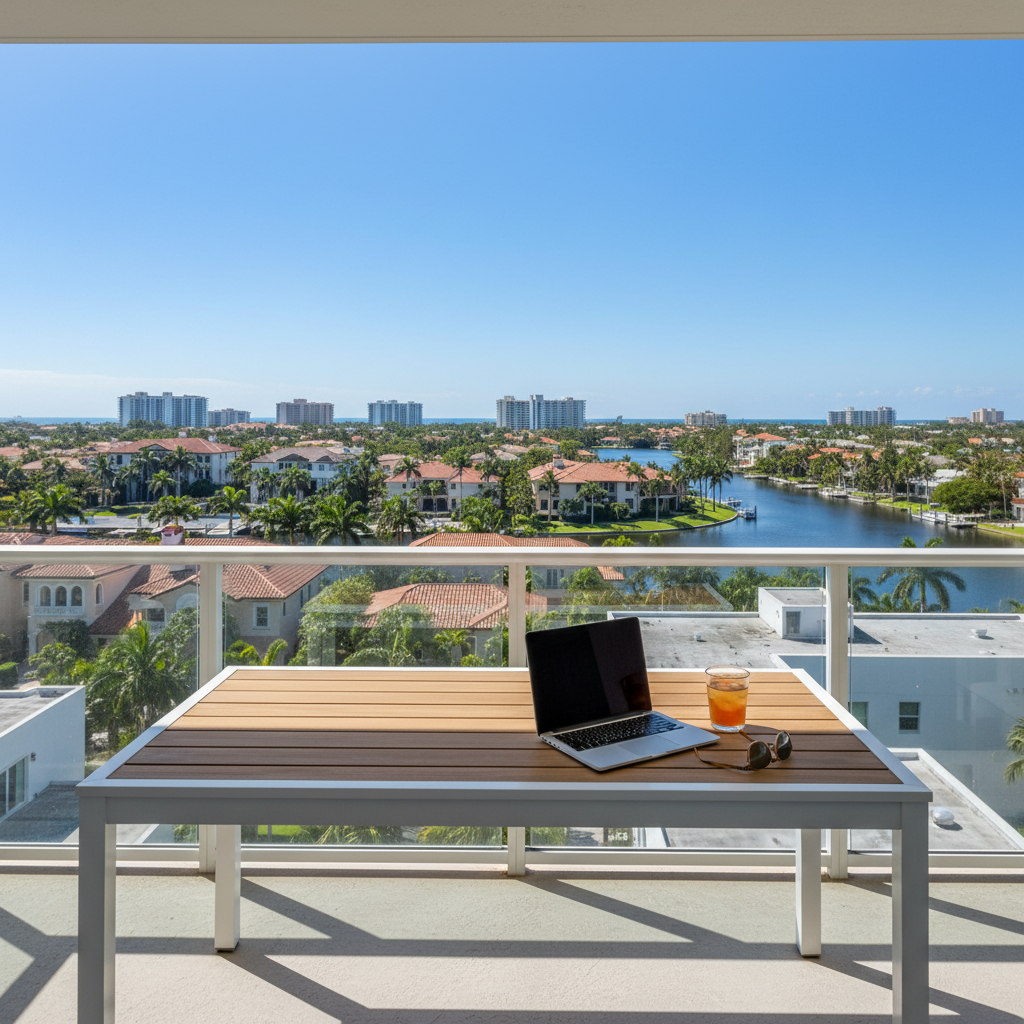
Understanding Flood Zones in Sarasota County
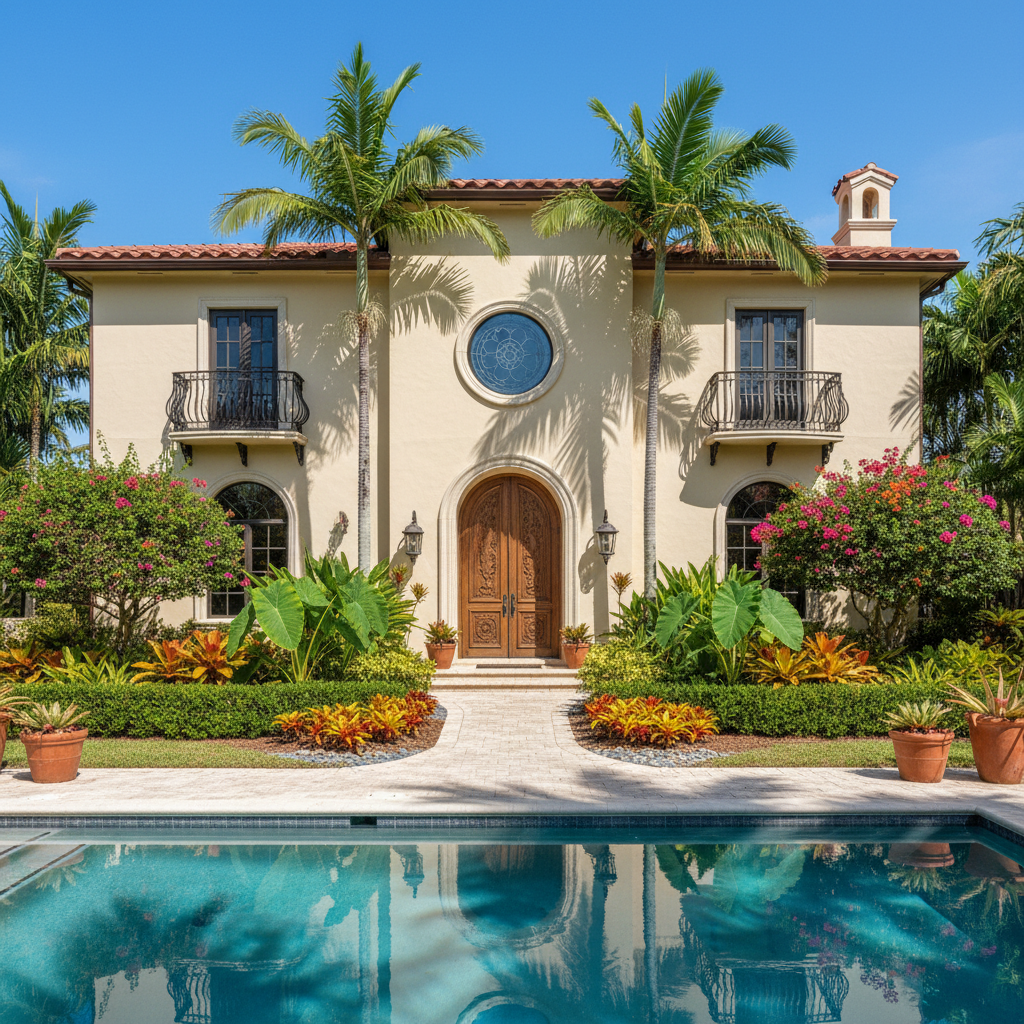
How Do Flood Zones Affect Property Investments in Sarasota County?
Quick Answer
- Flood zones impact insurance costs and property value, crucial in Sarasota‘s coastal areas.
- Zones AE, VE, and X have different risk levels; VE typically has higher premiums.
- FEMA maps highlight high-risk areas; consult these when considering a purchase.
- Contact local insurance agents specializing in flood policies for accurate quotes.
- Verify elevation certificates and consider flood mitigation measures to reduce risks.
- For expert updates on the Florida West Coast real estate market, contact Michael Renick — your dedicated specialist.
The Complete Picture
Understanding how flood zones affect property investments in Sarasota County is vital for both existing homeowners and potential buyers. As weather patterns shift and regulations change, knowing the implications of flood zone designations can save you future headaches and expenses. In Sarasota County, flood zones like AE, VE, and X define areas of varying flood risk, affecting everything from insurance costs to property resale value.
[Market Reality]
As of 2025, Sarasota County’s real estate market remains robust, yet fluctuating insurance premiums are challenging investors. Properties in flood-prone zones experience higher insurance costs, particularly in VE areas with a 1% annual chance of flooding. The introduction of FEMA’s updated flood maps has led to changing designations, influencing buyer behavior. With limited coastal inventory and steady demand, average days on market (DOM) have decreased, but the financial burden of flood insurance keeps some buyers cautious.
We had a great recommendation for Mike Renick and Eric even before we were in the Sarasota area from a former client of his summering in Baltimore whom we happen to meet. When we decided to actively start looking for a place in the Sarasota area, I spoke to Mike over the phone and he was truly courteous and welcoming. When we came down in person, he first took the time to get to know my wife and I personally to better gauge what would work best for us. Since we had limited time, he was unsparing of his own time to efficiently but thoroughly show us the inventory that would work best for us. He patiently explained the pricing rational and the factors that go into these considerations. He helped us through the closing procedures and assisted us in issues such as homeowners and flood insurance. The bottom line– we bought a place that was utterly perfect for us due to his extraordinary effort. We met Eric toward the end of our process, as he was on vacation initially, but I could readily see he is a man of great knowledge and integrity and capability, as was Mike. I highly and without any reservation recommend Mike and Eric to anyone in the market for Sarasota area real estate. You will not be disappointed!
– Ronald ginsberg, Google Review
[Local Insights]
Sarasota and Manatee counties’ luxurious waterfront properties are a significant draw. However, they often fall within higher-risk zones, like AE and VE, requiring comprehensive insurance policies. Neighborhoods like Longboat Key and Siesta Key offer stunning views but come with specific challenges. For instance, obtaining permits for seawalls or elevated construction is complex. Evaluate bridges for evacuation routes, especially for properties on keys or islands.
[Buyer‘s Guide]
Securing financing for properties in flood zones may require flood insurance as a loan condition. When negotiating, consider contingencies related to flood damage and insurance premium increases. Inspections should prioritize structural resilience and elevation levels. Be prepared for higher costs-to-own in these areas due to insurance premiums, potential HOA fees, and required floodproofing measures.
[Seller‘s Playbook]
For sellers in Sarasota‘s flood-prone areas, strategic pricing is crucial. Highlight flood mitigation features in the listing, such as elevated foundations or stormproof windows. Prepare disclosure documents related to flood history and compliance with FEMA guidelines. Timing your sale in non-hurricane seasons may reduce buyer apprehensions and increase your property’s appeal.
Purchasing a home can be a time-consuming and stressful venture: visiting prospective homes; identifying the pros and cons of each property; deciding which properties are right for you; final visit at these properties; making an offer (and counteroffer); dealing with the Sellers realtor; reviewing the Agreement For Sale; finding an attorney; finding a home inspection company; and acquiring home and flood insurance. Then the difficult task starts, working with a bank and filling out all the paperwork (Ugh!). Mike and Eric were very helpful throughout the process and kept us informed of our requirements and responsibilities for each deadline.
– bshea20047, Zillow Review
[Investment Angle]
For investors, properties in flood zones offer both challenges and opportunities. Seasonality can affect rental income, with higher demand in winter months. Restrictions from condo associations or local ordinances might impact short-term rental viability. Consider the balance of potential ROI against increased insurance and maintenance costs and the tax implications of any capital improvements.
[What’s Next]
Keep an eye on policy changes affecting flood insurance, such as potential subsidies or the National Flood Insurance Program (NFIP) updates. Regulatory shifts can influence investment timing. With climate change affecting flood risk, property elevation and mitigation efforts will likely grow in importance. Understanding these factors will enhance your investment strategy and property value retention.
Pro Tips
- Consult the latest FEMA flood maps before purchasing in Sarasota County.
- Elevation certificates can significantly reduce insurance premiums, saving long-term costs.
- Consider selling in spring or fall to avoid hurricane-associated hesitancies.
Common Mistakes
- Neglecting insurance cost increases when assessing property affordability.
- Overlooking permit requirements for flood mitigation construction.
- Misjudging market timing; avoid listing during peak hurricane season.
Action Steps
- Review the latest FEMA flood maps for your target property within the next 30 days.
- Obtain any relevant elevation certificates or flood history documents.
- Contact Team Renick for a comprehensive property assessment to identify potential flood risks.
Frequently Asked Questions
- What are the different flood zone designations in Sarasota County?
In Sarasota County, flood zones include AE (moderate to high risk), VE (coastal high risk), and X (minimal risk). Understanding these can guide insurance decisions. - How does living in a flood zone affect my homeowner’s insurance?
Properties in flood-prone areas like AE or VE zones typically have higher insurance premiums due to increased risk. It’s crucial to factor this into your budget. - Can I negotiate better flood insurance rates?
Yes, implementing flood mitigation measures like elevating the property can lower premiums. An elevation certificate is beneficial for this purpose. - Are there specific permits required for building in a flood zone?
Yes, construction in flood zones usually requires permits that comply with local, state, and federal regulations. Consulting a local expert is advisable. - How can I minimize risk if owning property in a flood zone?
Invest in flood-proofing measures, maintain up-to-date flood insurance, and stay informed on local weather and zoning updates.
Call to Action
Call my cell: 941.400.8735. If you want straight answers—no hype—and a transparent approach, I’m here to help you evaluate your next move on Florida’s West Coast.
To learn more about Michael and Team Renick:
To search for local properties:
https://search.teamrenick.com/
To read more about what Michael shares with his clients: