What Sellers Need to Know About Home Inspections in Florida
What Sellers Need to Know About Home Inspections in Florida
For Florida home sellers, the inspection process can feel like one of the most stressful parts of the sale—but it doesn’t have to be.
A home inspection gives the buyer a full picture of the property’s condition before closing. Understanding how it works and how to prepare can make the process smoother and protect your bottom line.
Here’s what every Florida seller should know before inspection day.
1. What Is a Home Inspection?
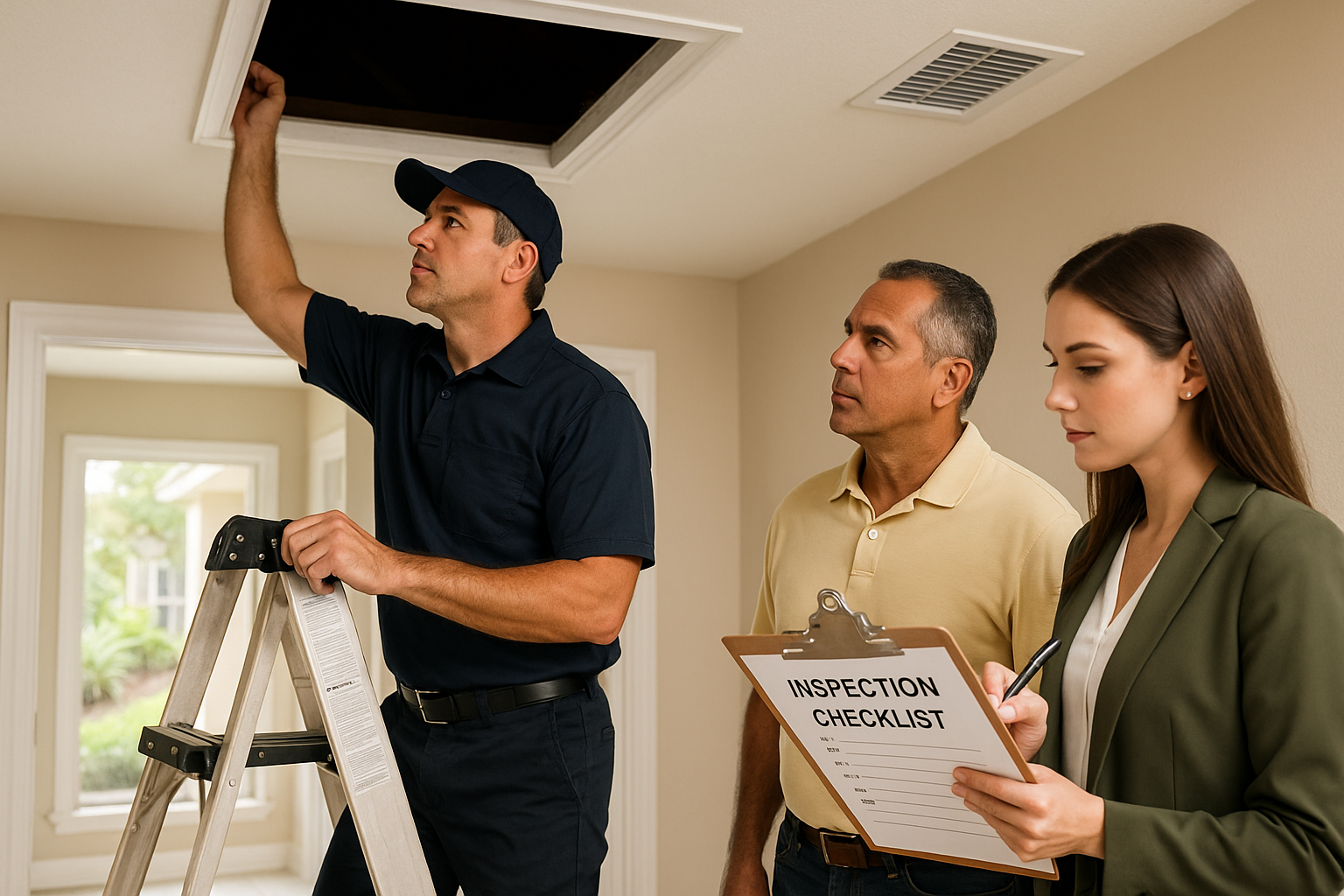
Once your home goes under contract, the buyer usually hires a licensed home inspector to evaluate the property’s condition. This inspection includes:
- Structure and foundation
- Roof and attic
- HVAC, plumbing, and electrical systems
- Windows, doors, and insulation
- Appliances
- Pool (if applicable)
- Signs of mold, pests, or water intrusion
In Florida, termite (WDO) inspections and wind mitigation reports are also common add-ons.
2. What Happens During the Inspection?
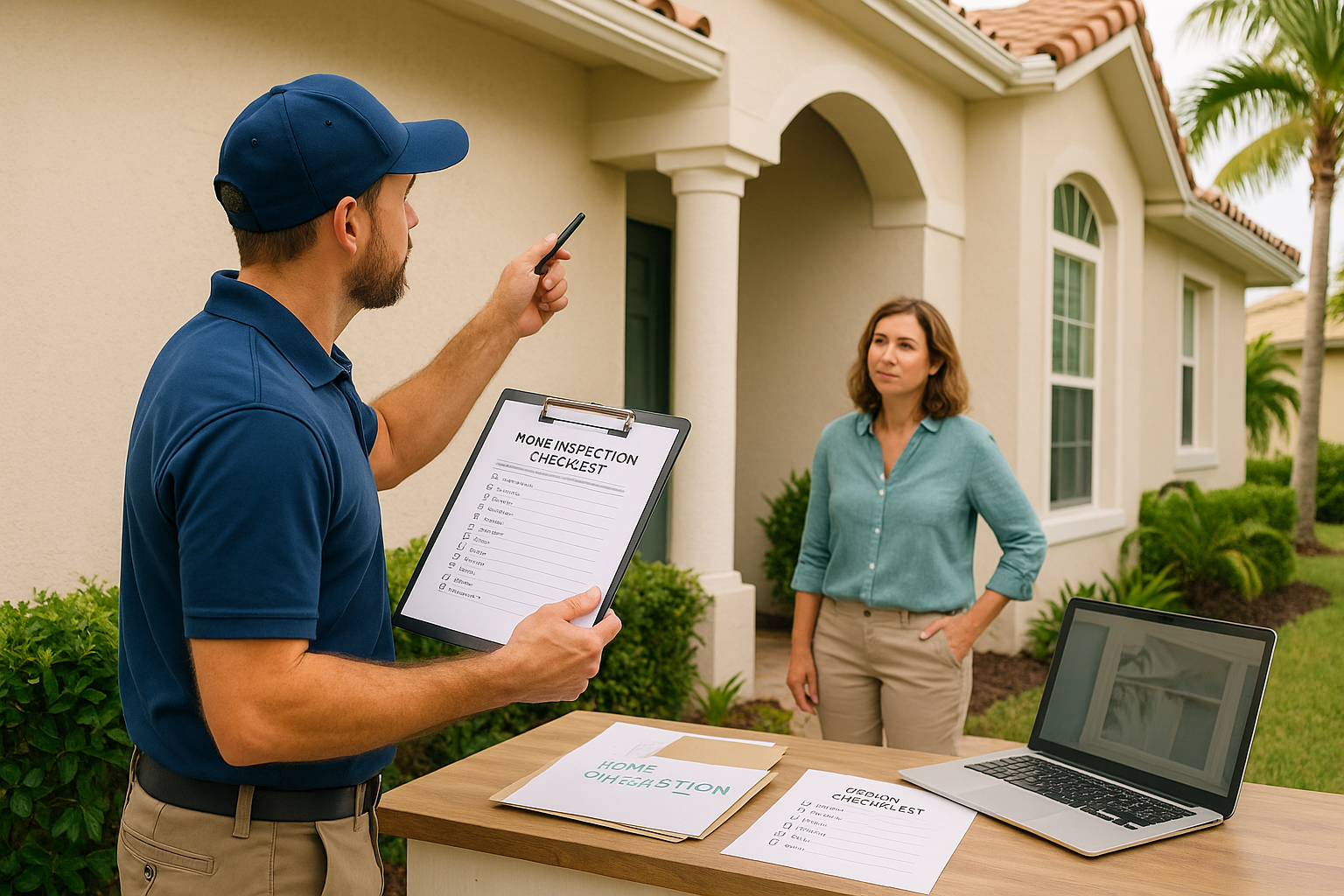
The inspection typically lasts 2–4 hours depending on home size and features. The buyer (and sometimes their agent) may attend. As the seller, it’s best to:
- Be away from the home during the inspection
- Leave all utilities on and systems accessible
- Provide access to attics, garages, pool equipment, etc.
- Secure pets and valuables
The inspector will provide the buyer with a written report, usually within 24–48 hours.
3. How Buyers Use Inspection Results
After reviewing the report, the buyer may:
- Accept the property as-is
- Request repairs or credits
- Renegotiate the sale price
- Cancel the contract (if allowed in the terms)
This is why preparation is key—unexpected findings can derail a deal or cost you money.
4. Common Inspection Red Flags in Florida
Due to our climate and building styles, some common issues that show up include:
- Roof age or damage (especially after storms)
- HVAC system wear in hot, humid conditions
- Plumbing leaks or corrosion
- Mold in high-moisture areas (bathrooms, attics)
- Wood-destroying organisms (termites, carpenter ants)
- Window or door sealing issues
Proactively addressing or disclosing these can reduce stress later.
5. Should You Get a Pre-Listing Inspection?
Some sellers choose to order their own inspection before listing the home. This can:
- Help you fix issues ahead of time
- Set realistic expectations
- Boost buyer confidence
Ask your agent whether a pre-listing inspection makes sense for your home and market.
6. What If Repairs Are Requested?
If the buyer asks for repairs:
- You can agree to complete them
- Offer a repair credit
- Negotiate a price reduction
- Decline and risk losing the deal
Having a skilled agent like Michael Renick in your corner helps you navigate these negotiations without leaving money on the table.
Final Thoughts
Inspections are a standard part of most Florida real estate transactions. Being prepared, open, and strategic ensures you stay in control—and get to the closing table with confidence.
Do I Need a Real Estate Agent to Sell My Florida Home?
📣 Let’s Talk Strategy
Want a clear breakdown of your numbers and a smarter way to sell? Let’s connect.
- 📞 Call Mike: 941.400.8735
- 📍 Explore our blog series: The Florida Life
- 🌐 Learn how we operate and why it matters: TeamRenick.com
- 🔎 Start your property search: Search.TeamRenick.com